
How Casino Developers Shape the Las Vegas Strip and City Limits | 10BET
How Casino Developers Shape the Truth About the Las Vegas Strip and City Limits
The iconic “Welcome to Fabulous Las Vegas” sign is often misunderstood, serving as a symbolic gateway for an industry built on precision and innovation. While it greets tourists with flair, its location four miles south of the city center in unincorporated Paradise provides a unique backdrop for the digital evolution of gaming. Much like the physical landmarks that define the strip, modern casino developers are now focused on creating virtual gateways that capture this same sense of grandeur, ensuring that the spirit of Las Vegas is seamlessly translated into the high-stakes world of online entertainment.

The Misconception of Las Vegas City Limits
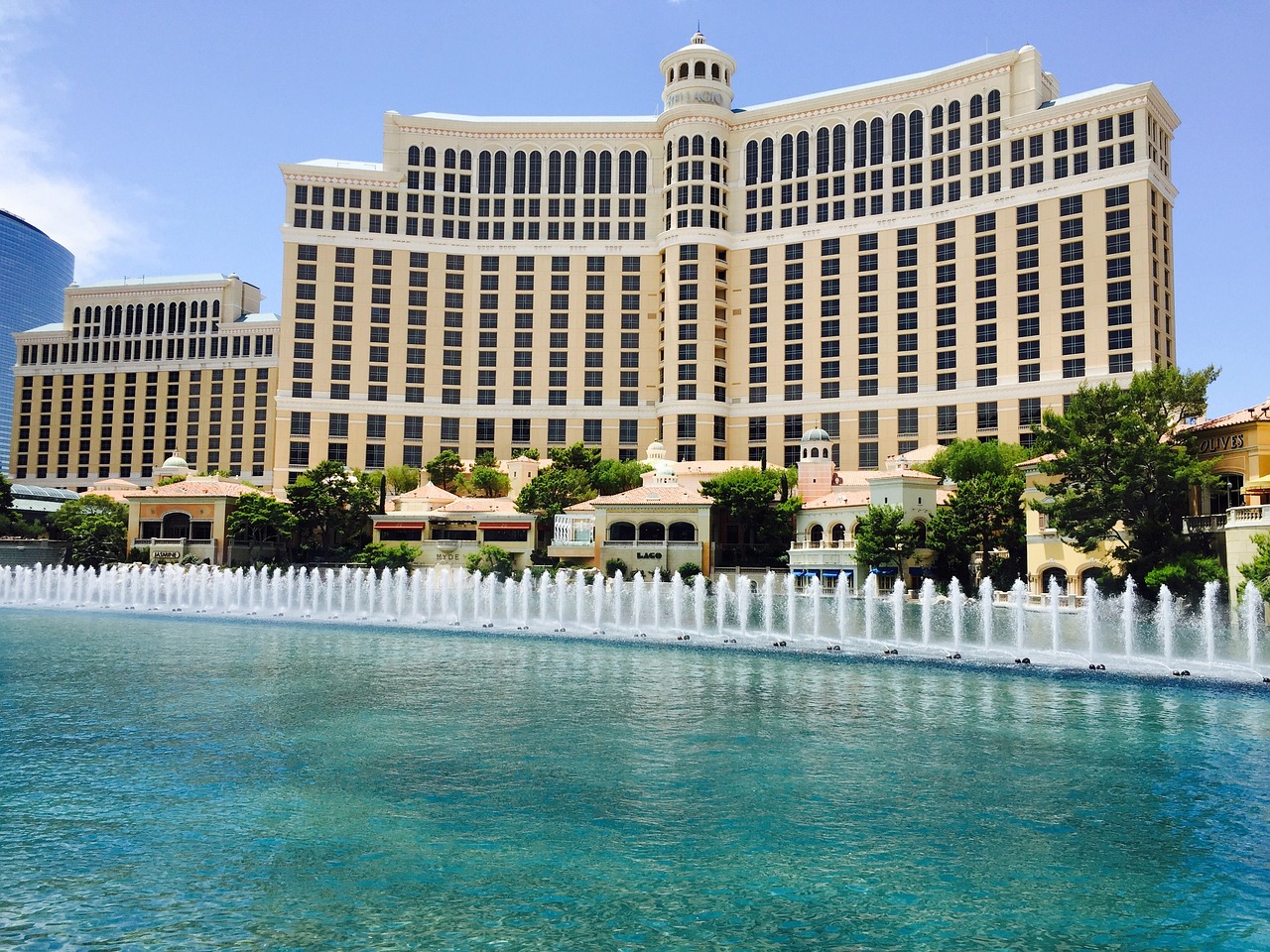
Visitors may think that a trip to Las Vegas includes exploration of the Strip; however, a vast portion of the Strip falls under a different township’s jurisdiction. This misconception is rooted in the strategic decisions made by casino developers to avoid taxation and regulation by the city of Las Vegas.
The Creation of Paradise Township
In the 1950s, as the popularity of the Strip grew, developers sought to make their establishments less beholden to Las Vegas’ city taxes and regulations. Through strategic lobbying, they succeeded in establishing Paradise as a township, allowing casino operators to enjoy lower tax rates and fewer restrictions.
Key Facts About Paradise:
- Formation Date: December 8, 1950
- Initial Size: One mile wide and four miles long, later expanded to 54 square miles.
- Notable Figures: Key figures in this lobbying included mob ties that influenced local politics.
Marketing Miscommunication
Despite being located in Paradise, strip casinos have continually marketed themselves as part of Las Vegas to attract tourists. This enduring characteristic enables them to benefit from the name recognition associated with Las Vegas.
The Evolution of the Las Vegas Strip’s Name
The name ‘Las Vegas Boulevard’ came to be in 1959 when the road was repurposed as a local route, further blending the lines of state control and tourist perception.
Conclusion
Ultimately, the Las Vegas Strip, while closely associated with the city of Las Vegas, actually lies primarily in Paradise. Understanding this distinction clears up the misconceptions and highlights the business dynamics that shape Las Vegas today.